
Calm Minds, Curious Hearts: The Transformative Power of Nature-Connected Learning
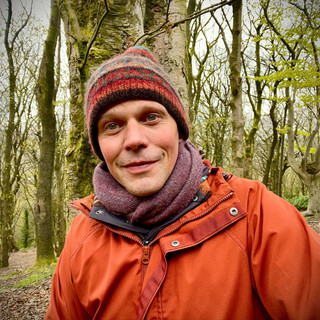
Nature-connected learning changes how children feel and focus in class. When kids engage with the outdoors, their emotional wellbeing improves and their curiosity grows. You’ll learn about the five pathways to nature connection and find ready-to-use resources that make this approach simple for every educator. Let’s explore how bringing nature into your teaching can brighten minds and deepen engagement today. Learn more about these benefits here.
Impact of Nature-Connected Learning
Nature-connected learning holds the key to transforming classrooms into places of joy and discovery. By stepping outside, students can experience profound changes in their emotional and educational journeys.
Enhancing Emotional Wellbeing
Imagine a classroom where stress melts away with the rustle of leaves. Nature has a soothing effect that can calm young minds, reducing anxiety and fostering peace. Children exposed to green spaces often show improved emotional wellbeing, and they tend to be happier and more relaxed. This natural environment encourages them to express themselves freely, without fear of judgment.
Beyond the immediate effects, nature-connected learning cultivates resilience. Kids learn to navigate challenges and build confidence. These experiences shape their emotional intelligence, preparing them for life's ups and downs. In a world filled with screens and noise, nature offers a quiet retreat where kids can connect with their inner selves.
Boosting Student Engagement
A child's curiosity knows no bounds when sparked by the wonders of nature. Outdoor learning invites students to explore and ask questions, fueling their desire to learn. Lessons become more engaging when they involve real-world experiences, like observing wildlife or planting a garden. This hands-on approach makes abstract concepts tangible, enhancing retention and understanding.
Moreover, nature-connected learning empowers students to take charge of their education. They become active participants, eagerly seeking knowledge. This shift from passive to active learning leads to increased involvement and enthusiasm. Educators notice improved focus and motivation, making teaching more rewarding and impactful.
Benefits for Pupil Wellbeing
When children connect with nature, their overall well-being flourishes. Physical activity in natural settings keeps them healthy, while the beauty of the outdoors nurtures their spirits. They find joy in simple pleasures like a bird's song or a gentle breeze. This holistic development fosters a sense of balance and fulfillment.
Importantly, nature-connected learning supports social and emotional growth. Kids learn cooperation and empathy through shared outdoor experiences. These skills are vital for building strong relationships and a sense of community. By prioritizing pupil wellbeing, educators can create environments where every child thrives.
Five Pathways to Nature Connection
The journey to nature connection is paved with diverse pathways that cater to all learners. These approaches can transform how children interact with the world around them.
Senses-Based Learning
Our senses are gateways to deeper understanding. In nature, children can touch, smell, and hear things they can't in a traditional classroom. This sensory-rich environment enhances learning by creating vivid, memorable experiences. For instance, touching a rough tree bark or smelling fresh earth can open up discussions about science and life.
Incorporating senses into lessons helps children develop a keen awareness of their surroundings. They learn to observe details and appreciate the world in new ways. This mindfulness fosters a lifelong love for learning and nature. When kids are encouraged to explore with all their senses, they become more engaged and connected.
Compassion in the Curriculum
Teaching compassion through nature is a powerful tool. When children care for plants or animals, they learn kindness and responsibility. These activities encourage empathy, as they understand the needs of other living beings. This compassion extends beyond the classroom, shaping how they interact with people and the planet.
Integrating compassion into the curriculum also involves social and emotional learning (SEL). It teaches children to recognize and manage their emotions. As they relate to the world around them, they develop a deeper sense of empathy and understanding. These skills are essential for nurturing a compassionate future generation.
Finding Emotion and Meaning
Nature invites us to find meaning in life's simple moments. Children can experience deep emotional connections through stories and reflections in natural settings. This connection to larger themes helps them understand their place in the world. It encourages them to ask questions and seek answers.
Educators can guide students in exploring their emotions through nature-based activities. Discussions about personal experiences and reflections on nature can foster introspection. By finding emotion and meaning, children build a strong foundation for lifelong learning and personal growth.
Resources for Educators
Educators can seamlessly integrate nature into their teaching with the right resources and support. Here's how you can make nature-connected learning accessible and engaging for all students.
Accessible Curriculum Planning
Creating an accessible curriculum is crucial for reaching every learner. Nature-connected resources should be inclusive and adaptable to diverse needs. Educators can use materials that cater to different learning styles, ensuring all students benefit from nature-based education.
Planning lessons around nature themes can be simple and effective. Using digital resources and print materials, teachers can craft engaging activities that align with educational standards. This approach makes curriculum planning easier and more efficient, allowing educators to focus on teaching and inspiring.
Teacher CPD and Training
Professional development plays a key role in equipping teachers with the skills to incorporate nature into their lessons. Training programs can provide valuable insights and strategies for effective nature-connected learning. These sessions empower educators to confidently use the outdoors as a rich educational resource.
By participating in CPD opportunities, teachers can stay updated on the latest practices and innovations. This continuous learning fosters a culture of growth and improvement. Schools can support their staff through workshops and resources that enhance their teaching abilities and inspire creativity.
Outdoor Classroom Ideas
Imagine a classroom without walls, where learning happens under the open sky. Outdoor classrooms offer endless possibilities for exploration and creativity. From garden projects to nature walks, these ideas can transform traditional lessons into memorable experiences.
Educators can design outdoor activities that integrate various subjects, from science to art. These immersive experiences encourage students to engage with the world around them. Outdoor classrooms also promote physical activity and health, contributing to overall student wellbeing. By embracing outdoor learning, schools can create vibrant educational environments that inspire curiosity and growth.
In conclusion, nature-connected learning offers a pathway to enriched education. By embracing the outdoors, educators can foster emotional wellbeing and engagement, paving the way for a brighter future.


Comments