
From Windowsill to Woodland: A Practical, Accessible Nature Guide for Mixed-Ability Primary Classrooms
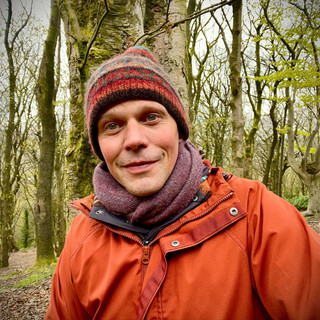
Most nature-based lesson plans overlook how tricky it can be to include every child, especially in a mixed-ability primary classroom. You’re juggling different needs, SEND adaptations, and curriculum demands all at once. This guide breaks down nature connected curriculum into simple steps using five clear pathways and offers SEND-friendly activities you can start using straight away. Read on to find practical tools that bring nature alive for every learner, from windowsills to woodlands. Learn more.
Introduction to Nature Connected Curriculum
Nature connected curriculum is not just about outdoor adventures. It's a holistic approach that brings the natural world into every learning space. This guide will show you how to integrate nature-based learning effortlessly, even in a mixed-ability classroom.
Benefits of Nature-Based Learning
Nature-based learning offers many benefits: improved concentration, enhanced creativity, and increased empathy. Children are more engaged when they interact with nature, making learning feel less like a chore and more like an adventure. It also fosters a sense of responsibility and care for the environment. By incorporating these elements into your curriculum, you can create a more inclusive and stimulating educational experience for all students.
Introducing the Five Pathways
The five pathways — senses, beauty, compassion, emotion, and meaning — are the foundation of nature connected learning. Each pathway offers a unique entry point to engage students and make learning more relatable. For example, using the senses encourages children to observe and describe their environment, building vocabulary and critical thinking skills. Let’s explore how these pathways can transform your teaching approach.
Implementing Accessible Outdoor Learning
Accessible outdoor learning means making nature-based education available to all students, regardless of their abilities. By using flexible strategies, you can create rich learning experiences that cater to diverse needs.
Adapting Lessons for Mixed-Ability Classrooms
Adapting lessons involves understanding each student's needs and crafting activities that everyone can participate in. Start by modifying tasks to include sensory elements, such as listening to bird songs or feeling different textures. Offer different roles in group activities so each child can contribute according to their strengths. This approach not only makes learning more inclusive but also enriches the educational experience for everyone.
SEND-Friendly Activities and Resources
SEND-friendly activities ensure that students with special educational needs and disabilities can fully participate in nature-based learning. Consider using visual aids, simplified instructions, and tactile materials to support understanding. Activities like creating nature collages or building small garden plots allow all students to engage in hands-on learning. By providing a variety of resources, you can meet diverse learning styles and abilities, making nature accessible to all.
Practical Steps for Educators
Implementing nature-connected learning involves aligning activities with curriculum goals. Here’s how you can do that effectively.
Linking Lessons to KS1 and KS2 Objectives
Aligning your nature-based activities with KS1 and KS2 objectives ensures that your lessons meet educational standards while engaging students with nature. For instance, a lesson about plant growth can include observing plants on the school grounds, recording changes over time, and discussing life cycles. You can link art by drawing plants or writing stories about their growth. This approach creates a cross-curricular connection that reinforces learning.
Utilising Universal Design for Learning UK
The Universal Design for Learning (UDL) framework in the UK supports inclusive education by providing multiple means of engagement, representation, and action. By applying UDL principles, you can design lessons that allow all students to engage with nature-connected learning. For example, offer various ways to explore a topic, such as through videos, hands-on experiments, or storytelling. This flexibility ensures that every student can access the curriculum in a way that suits their needs.
Frequently Asked Questions
What is nature connected learning?
Nature connected learning integrates the natural world into the educational process, enhancing student engagement and fostering a connection with the environment.
How can I make outdoor learning accessible?
Adapting activities to various abilities, using sensory elements, and providing flexible resources can make outdoor learning accessible for all students.
What are the benefits of using the five pathways in teaching?
The five pathways — senses, beauty, compassion, emotion, and meaning — offer diverse entry points to engage students, making learning more relatable and inclusive.
How do I align nature activities with the curriculum?
Link nature activities to KS1 and KS2 objectives by incorporating related topics and ensuring activities meet educational standards while engaging students with nature.
How does Universal Design for Learning support inclusive education?
UDL provides multiple means of engagement, representation, and action, ensuring that all students can access and participate in the curriculum effectively.


Comments