
The Five Pathways to Nature Connection: A Practical Starting Point for Primary Educators
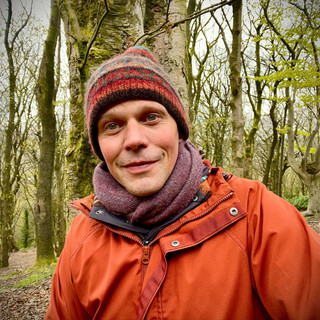
Most primary educators want to bring nature into their classrooms but don’t know where to start. The five pathways to nature connection offer simple, clear steps you can use tomorrow to spark curiosity and care for the natural world. This approach fits perfectly with nature-connected learning and makes planning easy, whether you teach EYFS or Key Stage 2. Let’s explore how these pathways can reshape your teaching and help you build a richer, more inclusive primary nature curriculum.
Introduction to Nature Connection
Let’s dive into the core of nature-connected learning: the five pathways that can shift your teaching approach. These pathways are more than concepts; they are practical steps you can integrate into your classroom today.
Five Pathways Overview
The five pathways to nature connection—senses, beauty, compassion, emotion, and meaning—offer a structured way to bring nature into your teaching. They provide various entry points, making them adaptable to any subject. By using these pathways, you can create a learning environment that nurtures curiosity and empathy. Each pathway serves as a pillar, leading to a more inclusive and dynamic curriculum. Incorporating them can transform ordinary lessons into powerful experiences that engage and inspire.
Importance of Nature in Education
Nature-based learning is not just a trend; it’s a vital component of holistic education. Children who engage with nature develop a sense of responsibility and care for their environment. This approach enhances learning by making it more relatable and engaging. Nature-connected learning promotes critical thinking and problem-solving, essential skills in today’s world. By infusing your curriculum with nature, you encourage students to explore and discover, fostering a love for learning that extends beyond the classroom.
Practical Steps for Educators
With the framework in place, you’re ready to implement these pathways in your classroom. Here’s how you can begin making nature a regular part of your students' learning journey.
Senses and Sensory Activities
Engage your students by activating their senses. Simple activities, like observing and describing natural elements, can bridge various subjects. For example, ask students to listen and identify different bird songs. This can be linked to language arts as they write descriptive passages or create stories based on their observations. Sensory activities are a quick and effective way to integrate nature into your lessons, making nature study accessible indoors and out.
Beauty and Aesthetic Appreciation
Help students appreciate the beauty in nature by designing visual or writing challenges. Encourage them to notice details like colours and patterns in leaves or flowers, then express these observations through art or storytelling. This practice enhances attention to detail and fosters creativity. By making aesthetic appreciation a regular part of your teaching, you cultivate a deeper understanding and respect for the natural world, transforming how students perceive their environment.
Compassion and Care for Nature
Compassionate learning can start with small actions. Implement mini-lessons that focus on respect for living things. Create routines where students care for a class plant or participate in a school garden. Such activities build empathy, teaching children to value all forms of life. Compassionate actions become a habit, embedding respect and care into the school culture, which enhances emotional learning and community spirit.
Resources and Support
To support your transition to nature-connected learning, various resources and support systems are available, ensuring you have everything needed to succeed.
Ready-to-Use Lesson Plans
Explore ready-to-use lesson plans that align with the Nature Connected Curriculum. These plans are crafted to fit seamlessly into your current teaching schedule, requiring minimal preparation. Each plan provides clear objectives and activities, offering you the flexibility to adapt them to your classroom needs. By using these plans, you save time and ensure your lessons are effective and engaging.
Accessible Teaching Materials
Access a wide range of teaching materials designed for ease of use. These materials are available in both print and digital formats, ensuring they are accessible to all educators. The resources include guides and activity sheets that support various learning styles and abilities, making them an excellent addition to any classroom. They offer a practical way to implement nature-connected learning without the need for extensive prior knowledge or resources.
School-Wide CPD Opportunities
Consider investing in school-wide CPD training to enhance your team's ability to deliver nature-based education. Professional development sessions provide teachers with the skills and knowledge to weave nature connection into the curriculum effectively. These opportunities foster collaboration and innovation, leading to a unified approach to teaching that benefits the entire school community. By participating in CPD, you ensure that your school is at the forefront of educational transformation.
Frequently Asked Questions
What are the five pathways to nature connection?
The five pathways include senses, beauty, compassion, emotion, and meaning. They provide a structured approach to integrating nature into education, enhancing students' learning experiences.
How can I integrate nature into my existing curriculum?
Start by incorporating sensory activities and aesthetic appreciation into lessons. Use ready-to-use lesson plans and materials that align with your teaching objectives to make the transition smoother.
Are there resources available to help with nature-connected learning?
Yes, there are numerous resources, including lesson plans and teaching materials that are accessible in both digital and print forms. These resources are designed to simplify the integration of nature into your curriculum.
What benefits does nature-connected learning offer students?
Nature-connected learning enhances critical thinking, problem-solving, and empathy. It fosters a deeper connection with the environment, encouraging responsibility and care for the natural world.
How can schools support teachers in implementing nature-connected learning?
Schools can provide CPD training opportunities, ensuring teachers have the skills and confidence to incorporate nature in their teaching. Collaboration and shared resources can also support this initiative.


Comments